Deep Cleaning (Scaling & Root Planing): Step-by-Step + Aftercare
When patients are told they need a deep cleaning, it usually comes with a few questions. Is this different from a regular cleaning? Does it mean something is wrong? What exactly will happen?
Deep cleaning, also known as scaling and root planing, is recommended when gum inflammation has progressed beyond what a routine cleaning can address. Rather than focusing only on the visible surfaces of the teeth, this treatment targets the buildup that has collected beneath the gumline.
At Jonesboro Dental Care in Jonesboro, AR, Dr. Jonathan Cook and Dr. Mark Kingston recommend scaling and root planing when there are clear clinical signs of periodontal disease. The purpose is not cosmetic. It is to reduce infection, calm inflammation, and protect the bone that supports your teeth.
Knowing what to expect tends to remove much of the hesitation.
Why Deep Cleaning Is Recommended
Gum disease usually develops gradually. It often begins with bleeding during brushing or mild swelling that seems easy to ignore. Over time, plaque and bacterial biofilm accumulate along and beneath the gumline. When that buildup hardens into tartar, it creates an environment where bacteria can thrive.
As inflammation continues, the gums begin to separate slightly from the teeth. These spaces, called periodontal pockets, allow bacteria to settle deeper than a toothbrush or routine cleaning can reach.
Scaling and root planing is recommended to:
Remove hardened deposits below the gumline
Disrupt and reduce bacterial biofilm
Decrease inflammation
Encourage gum tissue healing
Help prevent further bone loss
Addressing the issue at this stage helps prevent more significant damage later.
Step-by-Step: What Happens During Scaling and Root Planing
Deep cleaning is typically completed in sections, often divided into two visits to ensure thoroughness and comfort. The process begins with local anesthesia so the area can be treated without discomfort.
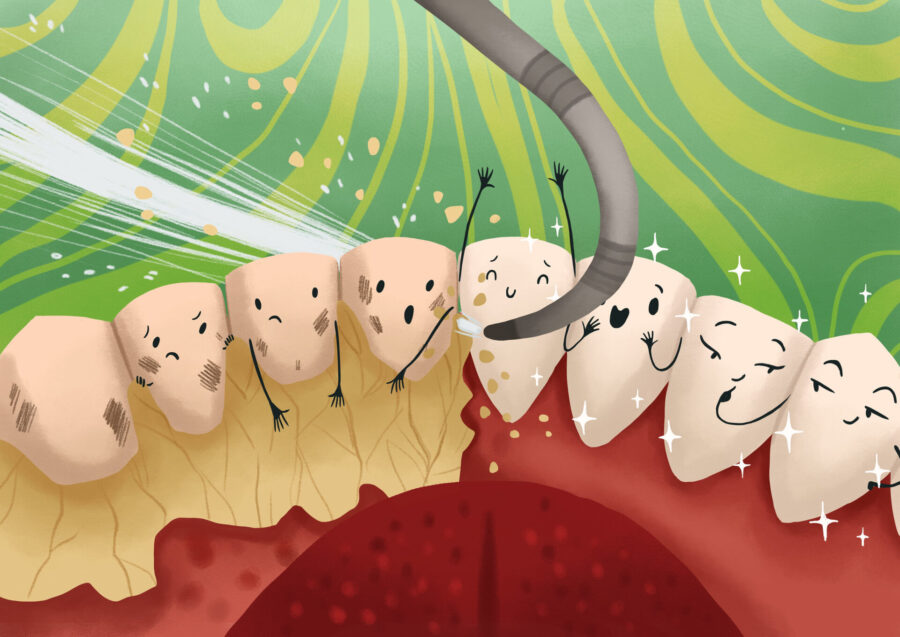
Next, scaling is performed. Using ultrasonic instruments and precise hand tools, the dental team removes tartar and bacterial buildup from beneath the gumline. These are areas that daily brushing simply cannot reach.
The focus is on eliminating the deposits and biofilm that are driving inflammation. As those irritants are removed, the environment around the teeth becomes healthier and more stable.
The root surfaces are cleaned carefully to remove bacterial toxins and create conditions that allow the gum tissue to heal and reattach more securely. The length of treatment depends on how much buildup is present, but most patients find the procedure manageable once they understand what is happening.
What to Expect After the Procedure
After scaling and root planing, it is normal for the gums to feel tender for a few days. The tissues have been treated below the surface, and healing begins quickly. You may notice:
Mild soreness
Slight bleeding when brushing at first
Temporary sensitivity to cold
A cleaner, smoother feeling around the teeth
As inflammation decreases, many patients notice their gums feel firmer and less swollen than before treatment. That improvement is often noticeable within a week.
Aftercare: Supporting Healing at Home
Deep cleaning sets the stage for healthier gums, but home care determines how well those improvements last. After your appointment, you should:
Brush gently twice daily with a soft-bristled toothbrush
Floss consistently, even if mild tenderness is present
Gently swish with a salt water rinse (1 teaspoon salt in a cup of warm water)
Use any recommended antimicrobial rinse
Avoid very crunchy or spicy foods for a few days
Follow any personalized instructions provided
In many cases, patients transition to periodontal maintenance visits every three to four months rather than the traditional six-month interval. This schedule helps keep bacteria from recolonizing in deeper areas. Gum health requires consistency, not intensity.
Why Treating Gum Disease Matters
Periodontal disease affects the supporting structures of the teeth. When inflammation persists, it gradually impacts the bone beneath the gums. Left untreated, this can lead to mobility and eventual tooth loss.
Scaling and root planing interrupts that process. By reducing bacterial levels and allowing tissue to heal, the treatment helps preserve both function and long-term stability. Early intervention tends to be far more predictable than waiting until symptoms become severe.
Deep Cleaning (Scaling & Root Planing) at Jonesboro Dental Care in Jonesboro, AR
Scaling and root planing is a focused treatment designed to manage gum disease and protect long-term oral health. At Jonesboro Dental Care in Jonesboro, AR, Dr. Jonathan Cook and Dr. Mark Kingston evaluate periodontal health carefully and recommend deep cleaning when it is clinically appropriate.
If you have been advised to undergo deep cleaning or are experiencing bleeding gums or persistent inflammation, contact Jonesboro Dental Care in Jonesboro, AR to schedule an appointment. A comprehensive evaluation can help determine the right approach to restoring and maintaining healthy gums.
Image from Authority Dental under CC 2.0
Categorised in: Gum Health