10 Daily Habits for a Healthier Smile
Most people don’t need a complicated routine to keep their teeth and gums healthy. In fact, the biggest difference usually comes from a handful of simple habits done consistently over time.
The way you brush, what you snack on, how often you sip drinks—those small, everyday choices add up. When those habits are working in your favor, things tend to stay stable. When they’re not, issues like sensitivity or gum irritation can start to show up gradually.
At Jonesboro Dental Care in Jonesboro, AR, we see this play out every day. Patients who keep things steady with a few core habits tend to have an easier time maintaining their oral health long-term.
Simple Daily Habits for Better Oral Health
These habits aren’t about doing everything perfectly. They’re about building a routine that’s easy to stick with and effective over time.
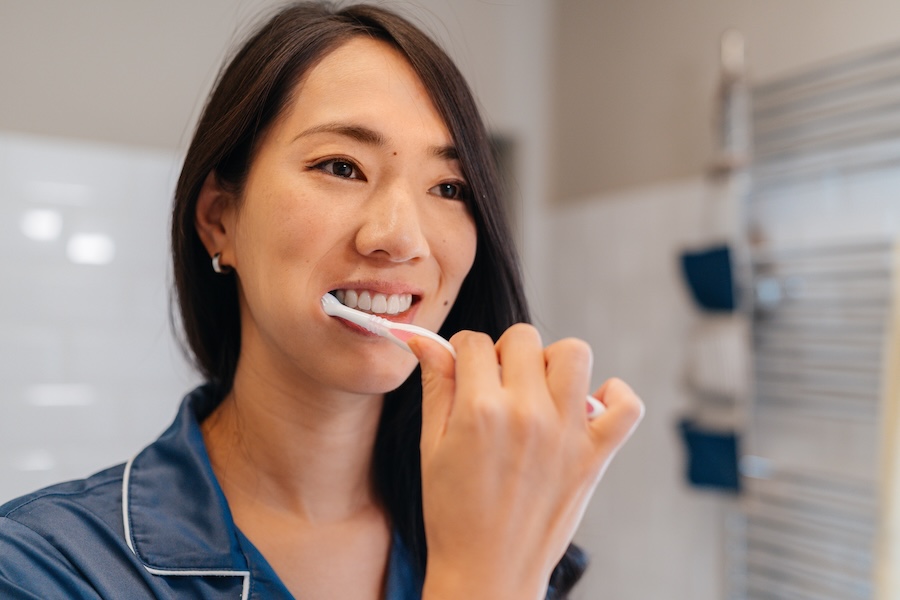
1. Brush Twice a Day—but Take Your Time
Brushing morning and night is important, but the way you brush makes a difference. A quick pass over your teeth often misses the areas where plaque tends to build up, especially along the gumline.
Taking a full two minutes and slowing down just enough to be thorough helps remove more buildup and keeps your gums healthier. If you’re using a manual toothbrush, focusing on small, controlled movements along the gumline can make a noticeable difference.
An electric toothbrush can also be helpful here. Many patients find it easier to be consistent with pressure and timing, and built-in timers take some of the guesswork out of brushing.
If you’re not sure whether your technique is doing what it should, it’s something we can review during a routine cleaning and exam so you’re getting the most out of that time.
2. Floss Daily (Even If You Miss Occasionally)
Flossing is what helps clean the spaces your toothbrush can’t reach. Even with consistent brushing, plaque can stay between teeth, where it can lead to cavities or early gum irritation over time.
The best option is the one you’ll actually use consistently. For some people, that’s traditional string floss. For others, floss picks, interdental brushes, or a water flosser fit more easily into their routine.
Each option has its place, and consistency matters more than the specific tool. If you’re using something daily and it’s working for you, that’s usually the right choice.
If you’re not sure which option fits best, we can go over that during your visit and help you find something that works with your routine.
3. Pay Attention to How Often You Snack
When it comes to diet, frequency plays a bigger role than most people expect. Every time you eat, your teeth are exposed to acid as bacteria break down sugars and carbohydrates.
If you’re snacking throughout the day, that exposure happens more often, which gives your teeth less time to recover. Spacing out meals and limiting constant snacking can make a noticeable difference in how your teeth hold up over time.
4. Choose Water More Often
Water is one of the easiest ways to support your oral health without changing much else in your routine. It helps rinse away food particles and keeps your mouth hydrated, which supports saliva production.
This becomes especially helpful if you tend to drink coffee, soda, or sports drinks during the day. Reaching for water in between can help balance things out and reduce how long those other drinks stay in contact with your teeth.
5. Be Mindful of Sugary Drinks
Sugary drinks tend to have a bigger impact than people realize, mostly because of how they’re consumed. Sipping slowly over time keeps sugar and acid in contact with your teeth for longer periods.
Even drinks labeled as sugar-free can still be acidic, which can affect enamel. If you do have these drinks, having them in a shorter window of time rather than sipping throughout the day can help limit that exposure.
6. Don’t Ignore Sensitivity or Bleeding
Small changes in your mouth are often early signals. Gums that bleed when you floss or teeth that feel more sensitive than usual are worth paying attention to, even if they seem minor.
These are the kinds of things we look at during a comprehensive dental exam, and addressing them early usually keeps treatment simpler and more manageable.
7. Protect Your Teeth if You Grind
Grinding or clenching can happen without you realizing it, especially at night. Over time, that pressure can wear down teeth, affect your bite, and lead to jaw discomfort.
If you’ve noticed morning headaches or soreness, it may be worth evaluating whether grinding is part of the issue. In those cases, a custom nightguard can help protect your teeth and reduce strain on your jaw.
8. Stay Consistent with Dental Visits
Even with a strong routine at home, there are areas that are difficult to fully clean on your own. That’s where regular preventive care visits come in.
These visits help remove buildup, monitor changes, and keep small concerns from turning into something more involved. For most patients, staying on a six-month schedule helps keep things predictable.
9. Watch for Dry Mouth
Saliva plays a key role in protecting your teeth. It helps wash away debris and keeps bacteria in balance. When your mouth is dry, it’s easier for plaque to build up.
Staying hydrated, chewing sugar-free gum, and being aware of medications that may cause dryness can help. If dry mouth is something you notice regularly, it’s worth bringing up during your visit so we can look at options to manage it.
10. Keep It Consistent, Not Perfect
The goal isn’t to get everything right every day. It’s to keep your routine steady enough that your teeth and gums stay in a good place over time.
A missed flossing session or an occasional sugary drink isn’t what causes problems. It’s the overall pattern. When your daily habits are mostly consistent, your oral health tends to follow.
Your Partner in Long-Term Oral Health in Jonesboro, AR at Jonesboro Dental Care
At Jonesboro Dental Care in Jonesboro, AR, Dr. Jonathan Cook and Dr. Mark Kingston focus on helping patients build routines that are realistic and easy to maintain. Most of the time, small adjustments are all it takes to keep things on track.
If it’s time for your next cleaning and exam or you want to fine-tune your routine, you can call the office or schedule a visit to keep your smile healthy long-term.
Categorised in: Dental Tips, Oral Health