
Invisalign FAQs
Invisalign has become one of the most talked‑about ways to straighten teeth — especially for teens and adults who want results without brackets and wires. At Jonesboro Dental Care in Jonesboro, AR, Dr. Jonathan Cook and Dr. Mark Kingston answer the questions they hear most often about Invisalign. This FAQ guide is designed to give you clear, human‑sized answers so you know what to expect and can decide with confidence whether Invisalign fits your goals.
What Is Invisalign?
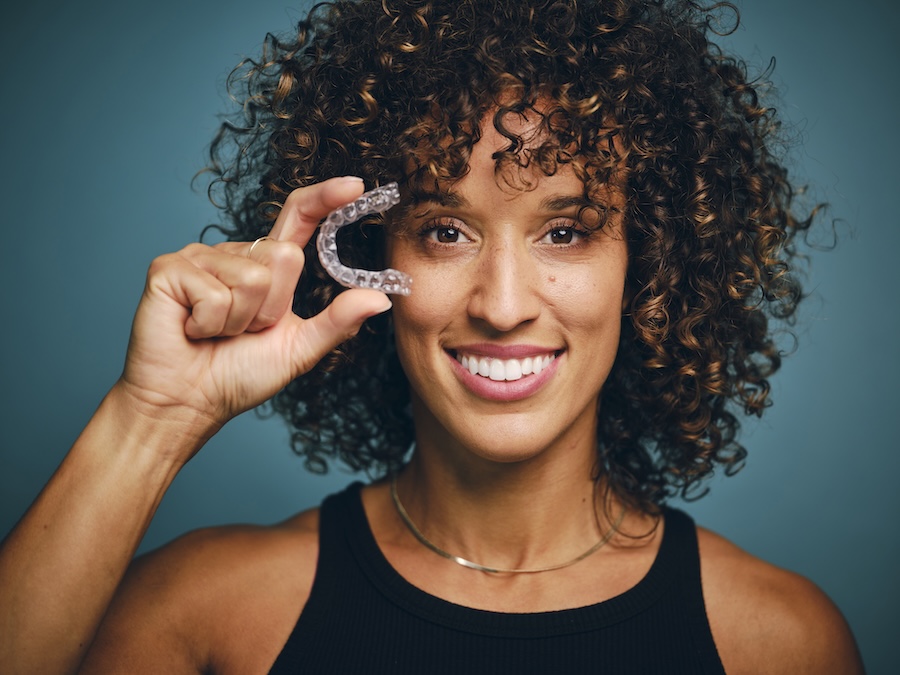
Invisalign is a form of orthodontic treatment that straightens your teeth using a series of clear, removable aligners instead of metal brackets and wires. Each aligner is designed to make small adjustments to tooth position over time. Because the trays are clear and smooth, many patients find Invisalign easier to wear in social and professional settings.
How Does Invisalign Actually Move Teeth?
Your aligners are designed so that each tray moves your teeth incrementally — usually about 0.25 mm per step. That might seem small, but small, consistent adjustments add up quickly over a full course of treatment. The force applied is gentle and controlled, guiding teeth into new positions without the torque and discomfort that wired braces sometimes cause. Each set of aligners is worn for a short period (usually about one to two weeks) before moving on to the next set, gently guiding your teeth step by step toward their new alignment.
How Does Invisalign Work?
Once Dr. Cook or Dr. Kingston determines that Invisalign is appropriate for your case, we start by taking impressions or a digital scan of your teeth. Those images are used to create a precise 3D treatment plan that maps how your teeth will move over time.
You’ll receive a series of aligners based on that plan. Each aligner fits closely and applies gentle pressure to specific teeth. You generally wear them for 20–22 hours a day — taking them out only to eat, drink anything other than water, brush, and floss.
As you switch to each new tray, your teeth continue to shift incrementally. Periodic check‑ins at our office help us track progress and make adjustments if needed.
What Is ClinCheck Software?
Before you ever wear a single aligner, we create a custom 3D treatment plan using ClinCheck software. This planning tool allows us to:
Visualize your starting alignment
Map out each step of tooth movement
Predict what your smile will look like at each stage
Adjust movements based on your goals and anatomy
ClinCheck makes the treatment predictable — you can see your potential smile before treatment starts, and we can fine‑tune the plan to match what you hope to achieve.
How Important Is Compliance With Invisalign?
Invisalign only works when you wear it. The aligners should be worn 20–22 hours per day — that means taking them out only to eat, drink anything except water, and care for your teeth. If you wear your trays fewer hours than recommended, progress slows and treatment can take longer than planned.
Because Invisalign is removable, compliance is key. It’s common for patients to lose a few hours here and there, especially at first, but most people adjust their routines quickly and stay on track.
Do I Need Attachments or Buttons?
Sometimes, Invisalign uses tiny tooth‑colored bumps called attachments (or buttons) bonded to specific teeth. These give the aligners something to “push” against so certain movements — like rotating a tooth or adjusting its tilt — can happen accurately.
Attachments are discreet and blend with your enamel. They help the trays grip teeth more effectively, and while they add a small step to brushing and flossing, many patients barely notice them after a few days.
Will Invisalign Work for My Case?
Invisalign can help with a wide range of alignment issues, including:
Mild to moderate crowding
Gaps between teeth
Minor bite concerns (overbite, underbite, crossbite)
Teeth that are rotated or slightly out of position
That said, Invisalign isn’t the best option for every scenario — especially some complex bite problems or extremely rotated teeth. During a consultation, we evaluate your teeth, jaw function, and goals to determine whether Invisalign or another option will give you the outcome you want.
Does Invisalign Hurt?
You may feel pressure or mild discomfort when moving into a new set of aligners, especially the first day or two. That’s because your teeth are adjusting.
But this sensation isn’t the kind of pain that stops you in your tracks. Most patients describe it as noticeable but manageable, and it tends to fade quickly as you settle into each new tray.
Some people also report:
Chapped lips at first: Small changes in tooth position and aligner edges can dry or rub lips temporarily; simple lip balm often helps.
Dry mouth: Because trays cover your teeth, saliva flow can feel reduced at first. Drinking more water and staying hydrated usually eases this quickly.
These effects are usually mild and short‑lived as your mouth adapts.
How Long Does Invisalign Treatment Take?
Treatment time varies by individual — but for many people it ranges from 6 to 18 months. The exact duration depends on how far your teeth need to move and how consistently you wear your aligners.
If you’re diligent about wearing them for the recommended hours each day, you’re likely to stay on schedule. Skipping hours here and there can slow things down, so consistency really pays off.
Can I Eat Normally With Invisalign?
Yes. One of the biggest lifestyle perks of Invisalign is that the trays are removable. You take them out before meals, so you don’t need to avoid any foods the way you might with traditional braces.
Enjoy a juicy burger, popcorn at a movie, or crunchy apples — just put your aligners back in afterward and brush or rinse before wearing them again to reduce cavities.
What About Brushing and Flossing?
Because your aligners come out for meals, brushing and flossing stay much the same as before. You simply:
Remove your aligners
Brush and floss as usual
Rinse your aligners and put them back in
That means no special tools or complicated routines — and fewer trapped bits of food compared with wired braces.
What Happens After Invisalign?
After the last set of aligners, a retainer is essential. Teeth have a natural tendency to drift back over time, so retainers help protect your results. We’ll guide you on:
When to wear them (often nightly, sometimes more at first)
How to care for them
How long you’ll need them based on your individual needs
How Much Does Invisalign Cost?
Cost depends on each person’s specific needs — how much movement is required, how many aligners are involved, and whether additional dental work (like fillings or extractions) is part of the overall plan. Many patients find Invisalign comparable to the cost of traditional braces.
At Jonesboro Dental Care, we’ll provide a customized estimate during your consultation and help you understand what’s covered by insurance. We also offer flexible payment options so you can plan your treatment without unnecessary stress.
Is Invisalign Noticeable?
Invisalign aligners are made from clear plastic designed to blend with your teeth. They’re often hard to see from a normal conversational distance — which is why many adults and teens choose Invisalign when they want improvement without obvious metal braces.
Close up, they’re visible if someone is looking for them — but they don’t call attention the way traditional brackets and wires do.
Can I Play Sports or Musical Instruments With Invisalign?
Yes. If you play contact sports, you should still wear a protective mouthguard — and Invisalign aligners can usually be worn underneath one. We can help you find the right kind of guard so neither your safety nor your progress is compromised.
For wind instrument players, you might notice a slight adjustment period. Because the aligners cover your teeth, subtle changes in airflow or tongue position can take a day or two to get used to, but most musicians adapt quickly.
What Happens If I Lose a Tray?
If an aligner goes missing or is damaged, contact us right away. Often, we’ll advise you to move to the next tray or order a replacement based on where you are in your treatment. Prompt attention helps keep your timeline intact.
Can Invisalign Fix Bite Problems Too?
In many cases, yes — especially when the issues are mild to moderate. Invisalign can correct:
Overbite
Underbite
Crossbite
Open bite (in some cases)
More complex bite alignment sometimes still benefits from braces or additional orthodontic techniques, and we’ll cover that during your exam if it’s a better fit for your situation.
Who Makes a Good Candidate for Invisalign?
Good candidates generally:
Want a straighter smile without visible braces
Have mild to moderate alignment concerns
Are willing to wear aligners most of the day
Want the flexibility to remove them for eating and oral care
Unsure whether you fit the criteria? A consultation with Dr. Cook or Dr. Kingston will give you a clear direction.
Invisalign FAQs — Jonesboro Dental Care in Jonesboro, AR
Invisalign has helped many patients achieve straighter smiles without the visibility and hassles of traditional braces. If you’re curious how it might fit your life — whether you want minor tweaks or more noticeable alignment — a consultation at Jonesboro Dental Care can clarify your options and get you started with a plan that fits your goals.
Call our Jonesboro, AR office today to schedule your Invisalign consultation and take the first step toward a smile that feels confident, comfortable, and genuinely yours.
Categorised in: Invisalign