
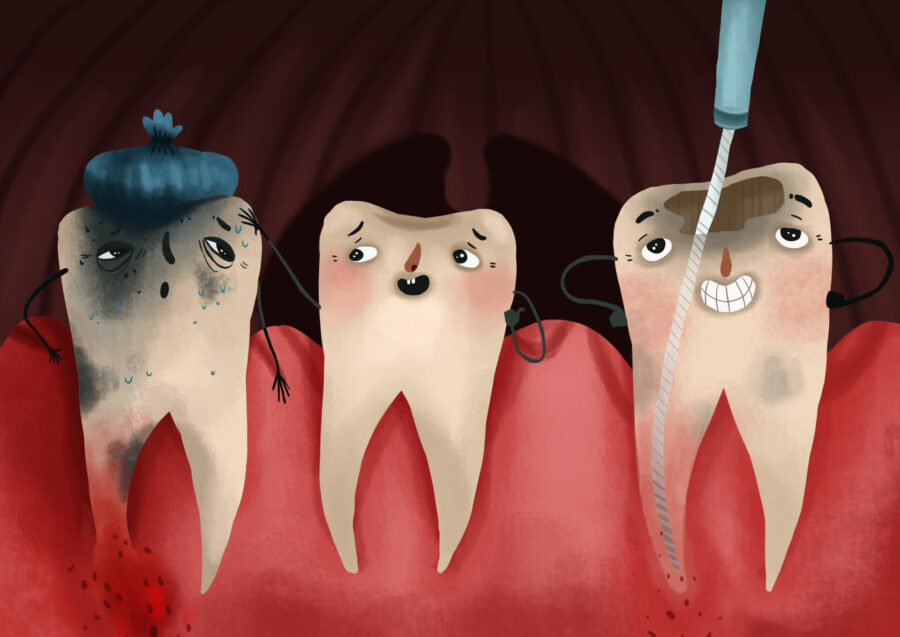
Root Canals: Myths vs. Facts in Jonesboro, AR
The phrase “root canal” tends to carry a reputation that doesn’t always match reality. For many patients, the hesitation isn’t about the procedure itself—it’s about what they’ve heard over the years. Stories about pain or long, difficult appointments tend to stick, even when they’re based on older experiences or secondhand information.
In reality, a root canal is a straightforward way to treat a tooth that’s become infected or inflamed on the inside. The goal is simple: remove the source of the problem, relieve discomfort, and keep the natural tooth in place. Once you understand what’s actually involved, it tends to feel a lot more manageable than it sounds at first.
What Is a Root Canal, and Why Is It Needed?
A root canal treats the inside of a tooth when the pulp—the soft tissue that contains nerves and blood vessels—becomes inflamed or infected.
This usually happens when bacteria reach deeper into the tooth. That can be due to a cavity that’s gone untreated for a while, a crack that allows bacteria in, or even repeated dental work on the same tooth over time. Once the pulp is affected, the tooth doesn’t have a way to heal on its own.
As the inflammation builds, that’s when symptoms tend to show up—things like lingering sensitivity, discomfort when chewing, or a steady ache that doesn’t seem to go away. A root canal addresses that directly by removing the damaged tissue, cleaning the inside of the tooth, and sealing it so the infection doesn’t continue.
Myth: Root Canals Are Painful
This is the concern most people have, and it’s also the one that’s changed the most over time.
With modern techniques and local anesthesia, the procedure itself is not designed to be painful. In fact, most patients are already dealing with discomfort from the infection before they come in. Once the area is numb, the treatment feels much more controlled and predictable.
Most people describe it as similar to having a filling done. You’re aware of what’s happening, but not in a way that’s uncomfortable. The bigger shift tends to come afterward, when the pressure and irritation from the infection are gone.
Fact: Root Canals Are Meant to Relieve Discomfort
The discomfort people associate with root canals usually comes from the condition of the tooth—not the treatment.
When the pulp is inflamed or infected, pressure builds inside the tooth. That’s what creates that deep, hard-to-ignore feeling. By removing the source of that pressure, a root canal allows the area to settle.
After the procedure, it’s normal to have some mild soreness for a few days, especially when biting down. That’s more about the surrounding tissues calming down than the tooth itself. With a little time, that usually fades, and the tooth starts to feel normal again.
Myth: It’s Better to Just Pull the Tooth
At first, removing the tooth can seem like a simpler, cheaper, quicker solution. However, it often leads to more decisions down the line.
When a tooth is removed, the space doesn’t stay neutral. Nearby teeth can begin to shift, and the way your bite comes together can change. Over time, that can affect chewing and even lead to additional wear on other teeth.
Replacing a missing tooth—whether with an implant or a bridge—also involves additional treatment. Because of that, saving the natural tooth is usually the more stable option when it’s possible.
Fact: Saving the Natural Tooth Helps Maintain Stability
Your natural teeth are designed to work together in a very specific way.
When a tooth is preserved, it continues to support your bite and helps keep everything aligned. A root canal allows that tooth to stay in place while removing the part that’s causing the problem.
After treatment, the tooth is typically protected with a crown. That reinforces it and allows you to use it normally again, whether you’re eating or speaking. Over time, most patients don’t notice any difference between that tooth and the rest.
Myth: Root Canals Take Multiple Long Appointments
This idea comes from how procedures were done years ago, but it doesn’t reflect how things typically go today.
In many cases, a root canal can be completed in one visit. Some situations still require two appointments, especially if there’s more infection to manage, but even then, the process is fairly efficient.
Your dentist will walk you through what to expect based on your specific tooth, so there aren’t any surprises.
Fact: The Process Is More Straightforward Than Expected
Once the area is numb, the procedure follows a clear, step-by-step approach.
A small opening is made to access the inside of the tooth. The infected tissue is removed, the space is cleaned thoroughly, and then it’s sealed to prevent bacteria from returning. After that, the tooth is restored—often with a crown—to bring back its strength.
From the patient’s perspective, it tends to feel more routine than anticipated. The steps are deliberate, and the goal stays the same throughout: remove the problem and protect the tooth.
Myth: If the Pain Goes Away, You Don’t Need Treatment
It’s easy to assume that if the discomfort fades, the issue has resolved. Unfortunately, that’s not always the case.
Sometimes the nerve inside the tooth stops responding, which can reduce or eliminate pain. However, the infection itself may still be present. Without treatment, it can continue to spread, even if it’s not immediately noticeable.
That’s why it’s important to have a tooth evaluated if something hasn’t felt right, even if it seems to improve on its own.
Fact: Early Treatment Keeps Things Simpler
When a problem is addressed early, the process tends to be more straightforward.
There’s usually less inflammation, fewer complications, and a smoother recovery. On the other hand, waiting can allow the infection to spread, which may lead to more involved treatment or weekend emergencies.
Taking care of it sooner helps keep everything more predictable and easier to manage.
What Is Recovery Like After a Root Canal?
Recovery is usually much more manageable than people expect.
Most patients return to their normal routine the same day or the next. You may notice some tenderness when chewing for a few days, especially if the tooth was already inflamed, but that typically improves quickly.
Once the final restoration is placed, the tooth functions like any other. You can chew, speak, and go about your day without giving it much thought.
Root Canal Treatment in Jonesboro, AR at Jonesboro Dental Care
At Jonesboro Dental Care in Jonesboro, AR, Dr. Jonathan Cook and Dr. Mark Kingston focus on making root canal treatment as comfortable and straightforward as possible. The goal is to remove the source of discomfort, protect the natural tooth, and help you move forward without ongoing issues.
If you’ve been dealing with tooth pain or have questions about whether a root canal is needed, it’s worth having a conversation. You can call the office or schedule an appointment to get a clear understanding of what’s going on and what your options look like.
Image from Authority Dental under CC 2.0
Categorised in: Root Canal Therapy