
How Do I Know I Need My Wisdom Teeth Removed?
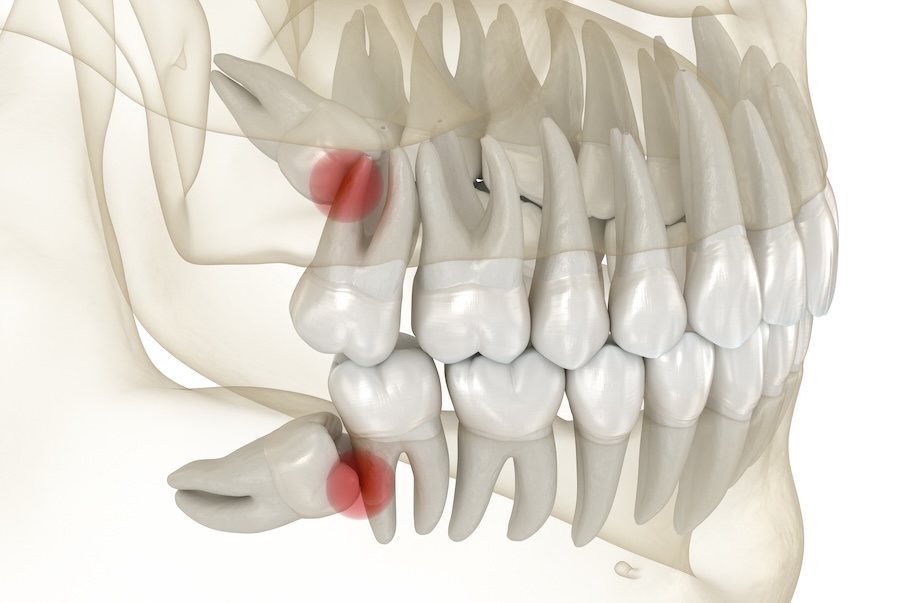
Wisdom teeth can be confusing because they do not follow the same script for everyone. Some people have all four. Some have fewer. Others never develop them at all. They usually start coming in during the late teen years or early adulthood, but even that timeline can vary. One person may have wisdom teeth that come in straight and stay healthy, while another may have teeth that grow sideways, stay trapped under the gums, or cause repeated soreness in the back of the mouth.
That uncertainty is what makes the question so common: how do I know I need my wisdom teeth removed? The answer usually depends on space, position, symptoms, and whether the teeth can be cleaned well. A wisdom tooth does not always need to hurt badly before it becomes a concern. Sometimes the first signs are subtle, like food getting stuck behind the last molar, gum tenderness, a bad taste, or pressure that keeps coming back.
At Jonesboro Dental Care in Jonesboro, AR, Dr. Jonathan Cook and Dr. Mark Kingston can evaluate wisdom teeth with an exam and imaging to see what is happening below the surface. Some wisdom teeth can simply be watched over time. Others may need to be removed to prevent pain, infection, cavities, gum problems, or damage to nearby teeth.
Your Wisdom Teeth Are Painful or Sore
Pain in the back of the mouth is one of the most common reasons people find out they may need wisdom teeth removed. The discomfort may feel like a dull ache, sharp pain, pressure, or soreness behind the last molar. It may happen on one side or both sides, and it may come and go at first.
Pain can happen when a wisdom tooth is trying to come in but does not have enough room. It may press against gum tissue, push toward the tooth beside it, or remain partly trapped under the gums. When the area gets irritated, chewing, brushing, or opening wide may become uncomfortable.
Wisdom tooth pain does not always mean removal is guaranteed, but it does mean the tooth should be evaluated. A dentist can check whether the tooth is coming in normally, impacted, infected, or affecting nearby teeth.
If the same back corner of your mouth keeps bothering you, it is better to have it checked than keep waiting for it to settle down again. Repeated soreness often means the area is not cleaning or erupting the way it should.
The Gum Tissue Behind Your Molars Is Swollen or Tender
Swollen gums behind the last molars can be a sign that a wisdom tooth is partly coming through. You may notice redness, puffiness, bleeding when brushing, or tenderness when food touches the area. Sometimes the gum feels sore even when the tooth itself does not.
When a wisdom tooth only comes in partway, a flap of gum tissue can remain over part of the tooth. Food and bacteria can slip underneath that tissue and become difficult to remove. This can lead to irritation, swelling, and sometimes infection.
That kind of gum tenderness may improve for a while and then return. You might rinse, brush carefully, or avoid chewing on that side, only for the same symptoms to show up again later. When that pattern keeps repeating, the wisdom tooth may be creating an area that your toothbrush and floss cannot manage well.
Dr. Cook or Dr. Kingston can examine the area and determine whether the gum tissue is irritated because the tooth is still erupting, partly impacted, infected, or positioned in a way that makes long-term cleaning difficult.
Food Keeps Getting Stuck Behind the Last Tooth
Food trapping behind the last molar can be more than an annoyance. If you constantly feel like something is stuck in the same back corner, a wisdom tooth may be creating a pocket or ledge where food collects.
This often happens when a wisdom tooth comes in at an angle or only partially breaks through the gums. The space behind the second molar can become hard to clean, even for someone who brushes and flosses well. Over time, trapped food can feed bacteria and increase the risk of cavities, gum inflammation, and bad breath.
The concern is not only the wisdom tooth. The tooth right in front of it can also be affected. If plaque and food stay packed between the wisdom tooth and the second molar, decay may form on the back side of that molar.
If you keep digging food out of the same spot, it is worth scheduling an evaluation. The problem may not improve unless the wisdom tooth has enough room to come in fully and be cleaned properly.
You Have a Bad Taste or Bad Breath From the Back of Your Mouth
A bad taste that seems to come from the back of the mouth can be a sign that bacteria are collecting around a wisdom tooth. This is especially common when the tooth is partly covered by gum tissue or positioned in a way that makes it difficult to clean.
You may brush, floss, and use mouthwash, only to have the taste return. That can happen when bacteria are trapped under gum tissue or around the back side of the last molar, where home care tools cannot reach well.
Bad breath can have many causes, including dry mouth, tongue buildup, gum disease, cavities, sinus drainage, or tonsil stones. However, when the odor or taste seems tied to one back corner of the mouth, wisdom teeth should be checked.
If infection is present, you may also notice swelling, drainage, tenderness, or a bad taste that becomes stronger over time. That should be evaluated promptly, especially if symptoms are getting worse.
Your Wisdom Tooth Is Partially Erupted
A partially erupted wisdom tooth means part of the tooth has come through the gums, but part remains covered. This is one of the more common reasons wisdom teeth cause trouble.
The problem is that a partially erupted tooth can be difficult to clean. A small gum flap may cover part of the tooth, creating a warm, hard-to-reach space where bacteria and food collect. Even if you are careful with brushing, that area may stay irritated.
Partially erupted wisdom teeth can also be uncomfortable because they sit in an awkward position. They may rub against the cheek, trap food, or make the gums tender. In some cases, they lead to repeated infections around the gum tissue.
A wisdom tooth that is partly erupted is not automatically removed in every case. However, if it keeps causing swelling, bad taste, pain, or food trapping, removal may be the healthier long-term option.
Your Wisdom Tooth Is Impacted
An impacted wisdom tooth is trapped under the gums, under the bone, or against another tooth. It may not be visible in the mouth at all, which is why X-rays are important. You may have symptoms, or you may not feel anything yet.
Impacted wisdom teeth can grow at different angles. Some tilt toward the second molar. Some lie sideways. Others remain mostly vertical but never fully erupt because there is not enough space. But, the angle is significant because it affects the risk of pain, infection, cyst formation, cavities, and damage to nearby teeth.
Not every impacted wisdom tooth causes an immediate problem, but some are likely to create issues over time. If the tooth is pressing into the second molar or creating a deep pocket behind it, removal may be recommended even before severe pain starts.
A dental evaluation can show the tooth’s position and whether it should be monitored or removed. Without imaging, it is difficult to know what an impacted wisdom tooth is doing below the surface.
Your Jaw Feels Tight or Sore
Wisdom teeth can sometimes contribute to jaw tightness, pressure, or soreness near the back of the mouth. You may notice discomfort when opening wide, chewing firm foods, or waking up in the morning. The soreness may feel like it spreads toward the ear or jaw joint.
Jaw symptoms can have several causes, including clenching, grinding, TMJ issues, sinus pressure, or muscle tension. However, when jaw soreness appears along with back molar pain, swollen gums, or food trapping, wisdom teeth become a more likely part of the picture.
If a wisdom tooth is impacted or inflamed, the surrounding tissues can become irritated. That irritation may make the jaw feel tight or guarded, especially if the area is tender when chewing.
Because jaw pain can come from more than one source, an exam is helpful. Dr. Cook or Dr. Kingston can check your wisdom teeth, bite, muscles, and surrounding tissues to determine what is contributing to the discomfort.
You Have Trouble Opening Your Mouth Comfortably
Difficulty opening your mouth can happen when the tissue around a wisdom tooth becomes inflamed or infected. You may notice stiffness, soreness when yawning, or discomfort when trying to take a normal bite.
This symptom should not be brushed off, especially if it comes with swelling, bad taste, fever, or increasing pain. When inflammation develops in the back of the mouth, nearby muscles can become irritated, which may make opening and closing more uncomfortable.
Sometimes patients describe this as feeling like the jaw is “tight” or like they cannot open as wide as usual. Even if the symptom is mild, it is worth paying attention to if it is new or getting worse.
A dental visit can help determine whether a wisdom tooth infection, gum irritation, jaw muscle tension, or another issue is involved. If the wisdom tooth is the source, treatment can be recommended before the symptoms become more serious.
The Tooth Beside the Wisdom Tooth Is at Risk
One of the biggest reasons wisdom teeth are removed is to protect the second molars. These are the teeth directly in front of the wisdom teeth, and they play an important role in chewing.
If a wisdom tooth is angled toward the second molar, it may trap plaque and bacteria between the two teeth. This can lead to decay on the back side of the second molar, which is often harder to detect and treat. In some cases, the wisdom tooth may also contribute to gum pocketing or bone loss in that area.
This is frustrating because the second molar may be completely healthy until the wisdom tooth creates a problem around it. Removing the wisdom tooth may be recommended to protect that neighboring tooth from future damage.
During an evaluation, X-rays can show whether a wisdom tooth is pressing into or crowding the tooth beside it. If the second molar is at risk, removal may make sense even if the wisdom tooth itself is not causing major pain yet.
You Keep Having Repeat Flare-Ups
Wisdom tooth symptoms often come and go. You may have soreness for a few days, then feel fine for weeks or months. Then the same area swells, tastes bad, or hurts again. This cycle is common with partially erupted or hard-to-clean wisdom teeth.
The problem with repeat flare-ups is that the tooth’s position usually has not changed. If food and bacteria keep getting trapped, the symptoms may keep returning. Rinsing, brushing, or antibiotics may calm things down temporarily, but they may not solve the reason the area keeps getting irritated.
Repeated infections or gum irritation can make removal more likely. A tooth that causes the same problem again and again may not be worth keeping, especially if it cannot be cleaned well.
If you have had more than one episode of wisdom tooth pain, swelling, or bad taste, mention that during your evaluation. The pattern can help your dentist decide whether monitoring or removal is the better option.
Your Wisdom Tooth Has a Cavity
Wisdom teeth can get cavities just like any other teeth. In fact, they may be more vulnerable because they sit so far back in the mouth and are harder to clean. Even when a wisdom tooth comes in fully, brushing and flossing around it can be challenging.
If a wisdom tooth develops decay, your dentist will consider whether the tooth is useful, accessible, and worth restoring. In some cases, a filling may be possible. In others, removal may make more sense, especially if the tooth is angled, partly erupted, or difficult to keep clean.
A cavity in a wisdom tooth may also suggest that the area will continue to be a problem. If the tooth cannot be cleaned well enough to prevent future decay, restoring it may only be a temporary fix.
Dr. Cook or Dr. Kingston can evaluate the size of the cavity, the tooth’s position, and whether saving the wisdom tooth is practical. The recommendation depends on the whole situation, not just the presence of decay.
Your Wisdom Teeth Are Hard to Clean
Sometimes wisdom teeth come in, but they sit so far back that keeping them clean is difficult. You may struggle to reach them with a toothbrush, floss may not fit easily, or the gumline around them may stay irritated.
A wisdom tooth that cannot be cleaned well may be more likely to develop cavities, gum inflammation, and bad breath. Even if it is not painful today, it may become a long-term maintenance issue.
Dentists usually consider whether a wisdom tooth is functional and healthy. If it has enough room, comes in straight, and can be cleaned, it may be monitored. If it sits in a position that makes cleaning unrealistic, removal may be discussed.
Keeping a tooth only makes sense if it can stay healthy. If a wisdom tooth is creating a constant hygiene problem, removing it may protect the surrounding teeth and gums.
You Are Getting Orthodontic Treatment or Have Bite Concerns
Wisdom teeth do not always cause crowding by themselves, but they can still be part of an orthodontic conversation. If you are starting orthodontic treatment, finishing aligners or braces, or trying to protect your results, your dentist may want to evaluate your wisdom teeth.
An angled or impacted wisdom tooth may affect the teeth beside it, create cleaning problems, or complicate long-term maintenance. Even if it is not directly shifting your front teeth, it may still be worth monitoring.
If you already have crowding, pressure, or limited space in the jaw, your dentist may recommend imaging to see where the wisdom teeth are and whether they are likely to cause issues.
The goal is not to remove wisdom teeth automatically before orthodontic treatment. The goal is to understand whether they may interfere with your oral health or future stability.
You Have Swelling in the Cheek or Jaw
Swelling near the cheek, jaw, or back of the mouth can be a sign of infection or significant inflammation around a wisdom tooth. The area may feel warm, tender, tight, or painful. You may also notice a bad taste, drainage, fever, or trouble opening.
Swelling should be taken seriously. Dental infections can spread, and wisdom tooth infections can become more uncomfortable if they are not treated. Even if the swelling seems mild, it is best to have it checked before it worsens.
If swelling affects breathing, swallowing, or spreads quickly into the face or neck, seek urgent medical care. Those symptoms need immediate attention.
For less severe swelling, call Jonesboro Dental Care to schedule an evaluation. Your dentist can determine whether the wisdom tooth is infected, whether medication is needed, and whether removal should be planned.
How Dentists Decide If Wisdom Teeth Should Come Out
Dentists do not recommend wisdom tooth removal based on symptoms alone. They also look at the tooth’s position, available space, gum health, nearby teeth, root development, and whether the tooth can be cleaned.
X-rays help show what is happening under the gums. They can reveal whether the wisdom tooth is impacted, angled, pressing against another tooth, or close to important structures. Imaging can also help determine how involved removal may be.
Your age, symptoms, dental history, and comfort level also matter. Wisdom teeth are often easier to remove before the roots are fully developed and before bone becomes denser, but adults can still have wisdom teeth evaluated and removed when needed.
At Jonesboro Dental Care, Dr. Cook and Dr. Kingston can walk you through what they see and explain whether removal is recommended now, whether the teeth can be watched, or whether another treatment makes sense.
What If Your Wisdom Teeth Do Not Hurt?
Wisdom teeth do not have to hurt to be a problem. Some impacted teeth quietly damage the tooth beside them or create deep pockets that are hard to clean. Others sit in a position that makes future cavities or gum issues more likely.
That said, painless wisdom teeth do not always need to be removed. If they are fully erupted, straight, healthy, functional, and easy to clean, your dentist may recommend monitoring them during regular exams.
The decision is based on risk. If a wisdom tooth looks stable and cleanable, keeping it may be reasonable. If it is angled, trapped, or likely to harm nearby teeth, removal may be recommended before symptoms begin.
This is why wisdom tooth evaluations are helpful even when you feel fine. They give you information before pain or infection forces a rushed decision.
Wisdom Teeth Removal Evaluation in Jonesboro, AR at Jonesboro Dental Care
So, how do you know if you need your wisdom teeth removed? Common signs include back-of-mouth pain, swollen gums, food trapping, bad taste, jaw pressure, trouble opening, repeat flare-ups, cavities, or wisdom teeth that are impacted or hard to clean. Sometimes the reason shows up on an X-ray before symptoms become obvious.
At Jonesboro Dental Care in Jonesboro, AR, Dr. Jonathan Cook and Dr. Mark Kingston can evaluate your wisdom teeth and explain what is happening in clear, practical terms. Some wisdom teeth can be monitored, while others may be better removed to prevent pain, infection, or damage to nearby teeth.
If you are feeling soreness in the back of your mouth, noticing food getting stuck, or wondering whether your wisdom teeth have enough room, schedule a visit with Jonesboro Dental Care. A wisdom tooth evaluation can help you understand your options and decide on the right next step.
FAQs
How do I know if I need my wisdom teeth removed? You may need your wisdom teeth removed if they cause pain, swelling, food trapping, bad taste, repeated infections, cavities, jaw pressure, or trouble opening. Removal may also be recommended if X-rays show the teeth are impacted or threatening nearby teeth.
Do wisdom teeth always need to be removed? No, wisdom teeth do not always need removal. If they come in straight, have enough room, stay healthy, and can be cleaned well, they may simply be monitored during regular dental visits.
Can wisdom teeth cause pain even if I cannot see them? Yes, impacted wisdom teeth can cause pain, pressure, or inflammation even if they are still under the gums. X-rays can show whether a hidden wisdom tooth is angled, trapped, or pushing against another tooth.
What happens if I wait too long to remove wisdom teeth? Waiting can sometimes lead to worsening pain, infection, cavities, gum problems, or damage to the second molars. In some cases, removal may become more involved as roots fully develop and bone becomes denser.
Can wisdom teeth cause bad breath? Yes, partially erupted or hard-to-clean wisdom teeth can trap food and bacteria, leading to bad breath or a bad taste. If the odor seems to come from the back of the mouth, a wisdom tooth evaluation may help identify the cause.
Is wisdom tooth removal painful? The area is numbed during wisdom tooth removal, so you should not feel sharp pain during the procedure. Some soreness, swelling, and tenderness are normal during recovery, and your dental team will give instructions to help you heal comfortably.
How are wisdom teeth evaluated? A wisdom tooth evaluation usually includes an exam and X-rays. Your dentist will check the position of the teeth, available space, gum health, nearby molars, and whether the wisdom teeth are likely to cause problems.
Categorised in: Wisdom Teeth