
What Is a Dental Bone Graft—and Why Might You Need One?
You came in to talk about replacing a missing tooth, and now we’re talking about a bone graft before the implant. You’ve been chewing around that gap for a while, and the gum looks healed, so why does it need more work underneath? A graft helps preserve or rebuild the bone that will support the implant, and the amount of bone already there determines how much preparation the site needs.
At Jonesboro Dental Care in Jonesboro, Arkansas, we can place a graft to help preserve bone after an extraction or rebuild an area that has already healed. Dr. Jonathan Cook and Dr. Mark Kingston use the examination and imaging to check the width, height, and shape of bone beneath the gums. From there, we can explain whether you need grafting and whether it adds a separate healing stage before an implant. We know the process can feel long, but every stage has a purpose, and the end result is worth it!
A Graft Helps Support New Bone Formation
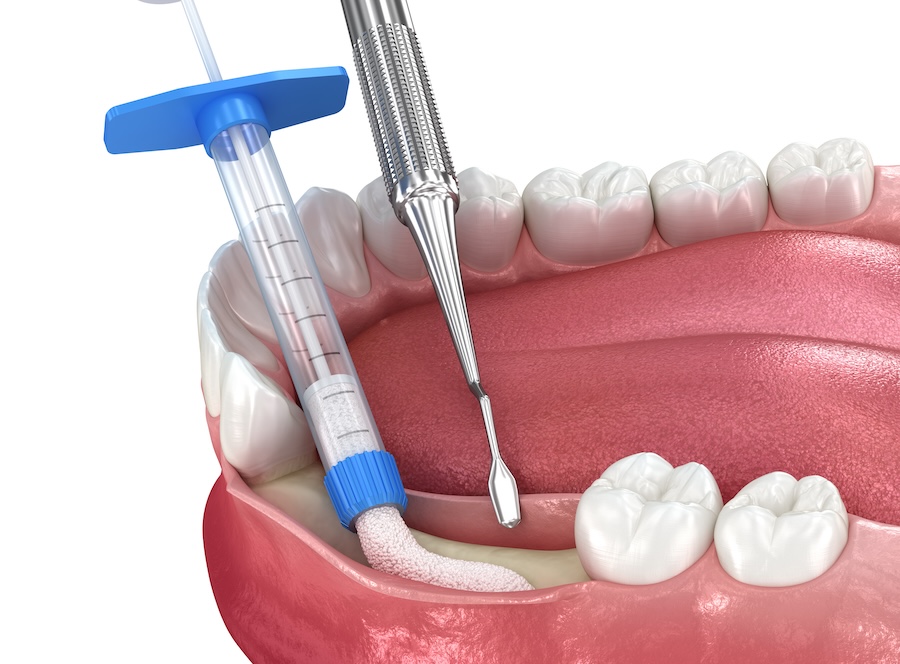
During a dental bone graft, we place graft material where bone has been lost or where we want to preserve a tooth socket. Think of that material as a framework your body can use as new bone develops. Over the following months, the site heals and remodels, gradually building support for the next stage of treatment.
The material may come from your own bone, a processed donor source, an animal-derived source, or a manufactured substitute. Each option has a different role, and the choice depends on the procedure and your health history. If the source raises a medical, religious, or personal concern, we can discuss it before surgery.
We may place a thin protective membrane over the graft to help separate it from the gum tissue as bone develops. Stitches then hold the gum in position during early healing. The amount of material and the covering depend on the size and shape of the area we need to rebuild.
Bone Can Change After a Tooth Is Lost
A natural tooth transmits chewing forces through its root into the jaw. After the tooth is removed, the surrounding bone can shrink and change shape. That can leave a narrower or shorter ridge where a replacement tooth may eventually go.
For an implant, the bone needs to hold the post where the replacement tooth will go. You may see plenty of room between the neighboring teeth while the ridge beneath the gums has become narrow. Imaging shows that width and the nearby structures before we plan placement.
You may hardly think about an old gap anymore, having learned to chew around it years ago. During that time, however, the bone beneath it can shrink even though the gum looks healed. Gum disease, infection, or injury may also have damaged the bone before the tooth came out. We check how much support remains before recommending a graft for your implant.
Socket Preservation May Happen During an Extraction
When we remove a tooth, we can sometimes place graft material directly into the empty socket. This is called socket preservation, and it helps limit the shrinkage that follows extraction. If you’re considering an implant, bringing it up before the extraction gives us a chance to plan a socket graft at the same visit if the site needs one.
With a socket graft, you may have stitches and a few extra instructions for protecting the area after extraction. Soreness and swelling usually ease well before the bone finishes developing. So while we may allow several months before the next step, that doesn’t mean the site should ache for several months.
Even with a socket graft, the area will change as it heals. Sometimes the site heals with enough bone for the implant. If it is still too narrow or short, we may need to add another graft. We reassess the healed site before placement to check the support available in the position the new tooth needs.
Larger Grafts Can Require a Separate Stage
When a ridge has lost more support, grafting may occur before implant placement. In some upper back-tooth areas, the position of the sinus can also limit available bone. A different grafting procedure may be needed to create support in that location.
We can sometimes place an implant and graft around it during the same procedure. However, the implant first needs enough firm existing bone to hold it steady as healing begins. If that support is missing, we graft the site first and allow it to develop before placing the implant.
By then, you may be eating comfortably and wondering why the implant appointment is still months away. The gum can heal well before the bone underneath is ready to hold an implant. That is why the next stage may be several months away, with follow-up visits to check the site along the way. If imaging shows that the graft needs longer, we adjust the implant date to allow more healing.
Eating and Cleaning After a Graft
Follow the instructions for eating, rinsing, brushing, and physical activity after the procedure. Softer foods can reduce pressure against the surgical area during early healing. Avoid touching or pulling at stitches or a membrane with your tongue or fingers.
Before surgery, we go over pain relief and any medicines you’ll need, including how they work with medicines you already take. Smoking can slow healing and increase the chance of complications, so we discuss ways to stop before treatment. If a health condition or medication could affect the procedure, we may also work with your physician to plan your care.
A few small grains of graft material may occasionally work their way free, depending on the procedure. Contact us for instructions if that happens, since we may need to check the site. If pain or swelling gets worse, bleeding doesn’t settle, or you develop a fever, contact us before the next checkup so we can assess your recovery.
Temporary Teeth and Treatment Costs
If the graft needs to heal before implant placement, you may wonder what happens to the visible gap in the meantime. A temporary tooth may be possible, depending on its location and how we can keep pressure off the graft. For a front tooth, we discuss that temporary replacement before surgery so you know what you can wear during healing.
The graft, implant surgery, and final crown may each have a separate cost, and insurance may cover them differently. Ask for an estimate that includes the proposed stages rather than only the surgery scheduled first. We can review the expected timing and any benefit limits, while the insurer makes the final payment decision.
Bone Graft Planning in Jonesboro
If you’re planning an implant, bring your questions about the graft material, healing time, and temporary tooth options during healing. Dr. Jonathan Cook and Dr. Mark Kingston can explain the support your site needs and the steps before the final tooth. Schedule with Jonesboro Dental Care in Jonesboro, Arkansas, and let’s get those questions answered before treatment begins!
Categorised in: Bone Grafting, Dental Implants