
Nitrous Oxide vs. Oral Sedation: Which Is Better for Dental Anxiety?
Dental anxiety can make even a routine appointment feel harder than it should. Maybe your shoulders tense up as soon as the chair reclines, the sound of the handpiece gets under your skin, or you feel your grip tighten on the armrest before treatment has even started. If that sounds familiar, nitrous oxide may help take the edge off the visit.
At Jonesboro Dental Care in Jonesboro, Arkansas, Dr. Jonathan Cook and Dr. Mark Kingston offer nitrous oxide for patients who need a little extra help relaxing during treatment. It works quickly, can be adjusted while you are in the chair, and usually wears off soon after the appointment. Oral sedation works differently, so understanding the comparison can help you know what kind of support would fit your visit best.
How Nitrous Oxide Works During a Dental Visit
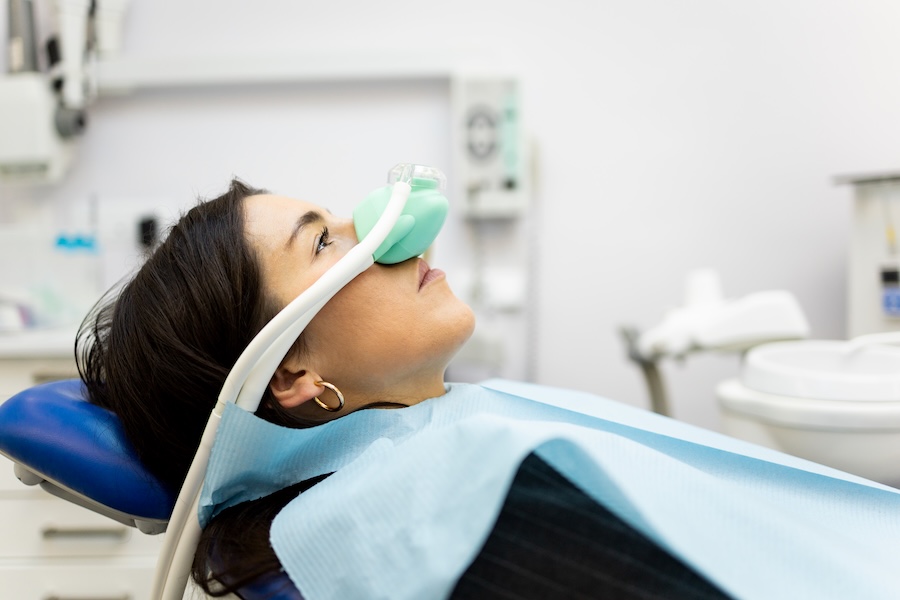
Nitrous oxide, often called laughing gas, is breathed through a small mask that rests over your nose. Within a few minutes, you may feel calmer, lighter, or simply less focused on every sound and movement around you. You stay awake and can still answer questions, open and close when we ask, or raise a hand if you need a pause.
We can adjust the level during the appointment, which gives us flexibility as treatment moves along. If you are comfortable, we can keep it steady; if you are still feeling tense when the chair reclines or the handpiece starts, we can make a small adjustment. That ability to fine-tune the effect is one of the reasons nitrous works well for many dental visits.
Once treatment is finished, we stop the nitrous oxide and have you breathe oxygen for a few minutes. The effects usually fade quickly, so recovery is much shorter than with oral sedation. For many patients, that means the calming effect stays mostly inside the appointment instead of following them through the rest of the afternoon.
Nitrous Oxide and Numbing Work Together
Nitrous oxide helps with anxiety, while local anesthetic keeps the tooth and surrounding area numb during treatment. For a filling, crown, extraction, or another procedure, you may need both. They do different jobs, and using them together can make the visit feel much easier.
If the injection is the part you dislike most, having nitrous oxide already working can make that moment less tense. Dr. Cook or Dr. Kingston can also talk you through what is happening as much or as little as you prefer. Some patients want every step explained, while others would rather settle back, breathe through the mask, and keep the talking to a minimum.
That preference is easy to work with. If hearing the details helps you feel more in control, we can explain what comes next. If too much explanation makes you focus on every little thing, we can keep it simple and move through the appointment quietly.
How Oral Sedation Is Different
Oral sedation uses prescription medication taken before the dental appointment. It can make you feel drowsier and less aware of the details of treatment, although you are generally still able to respond when spoken to. Because the medication is already in your system, the experience tends to involve more planning before and after the visit.
The dose cannot be adjusted during treatment as easily as nitrous oxide, and the effects last longer. You usually need someone to drive you to and from the appointment and stay with you afterward. Work, errands, school pickup, and driving all need to wait until the medication has worn off.
There are also more instructions to follow around the appointment. Depending on the medication, that may include directions about food, drinks, other medications, and when to take the sedative. The biggest differences are how deeply relaxed you feel, how long the effects last, and how much of your day the sedation takes up.
When Nitrous Oxide May Be a Good Fit
Nitrous oxide works well when the anxiety ramps up once you are in the dental chair. It can also help with specific parts of treatment, such as injections, drilling sounds, longer procedures, or keeping your mouth open for an extended time. If the suction, handpiece, or numbing is what makes you tense, nitrous can make those parts feel much less intense.
It is also a good option when you want to stay awake and aware during the visit. You can still communicate with Dr. Cook, Dr. Kingston, and our team, and you can raise a hand if you need to stop for a minute. That can make the appointment feel more manageable because you are still involved in what is happening.
Because nitrous oxide wears off quickly, it can also fit more easily into a normal day. You are not usually setting aside hours for sedation recovery once the dental work is done. Depending on the procedure itself, you may be able to get back to the rest of your day much sooner.
If Dental Anxiety Starts Before the Appointment
Sometimes the hardest part begins before you ever sit in the chair. If you find yourself putting off treatment, rescheduling, or feeling keyed up for days beforehand, mention that when you make the appointment. Knowing that ahead of time gives us more room to make the visit easier from the start.
We can talk about nitrous oxide, appointment length, breaks, and how much explanation feels best for you. We can also keep the pace steady so the visit does not feel rushed or drawn out. A little planning before you arrive can make the whole appointment feel less overwhelming.
Dr. Cook and Dr. Kingston have years of experience helping patients who are nervous about dental care. You do not have to act unfazed or try to white-knuckle your way through treatment. If anxiety has been getting in the way, we can work with that.
Your Health History Helps Us Decide What Is Appropriate
Before using nitrous oxide, we will review your medical history and medications. Breathing conditions, pregnancy, recent illness, and trouble breathing comfortably through your nose can all affect whether nitrous oxide is a good option. A quick review helps us make sure the visit is safe as well as comfortable.
For example, significant nasal congestion can make the mask difficult to use effectively. If you are sick, badly congested, or dealing with a breathing issue, let us know when you schedule. We can decide whether to proceed, adjust the plan, or move the appointment if needed.
Bring an updated medication list as well. Dr. Cook or Dr. Kingston can review your health history alongside the dental treatment you need. That gives us the information we need to decide whether nitrous oxide fits safely into the visit.
Think About What Your Day Looks Like Afterward
Nitrous oxide usually clears quickly once we stop giving it. That makes it appealing when you want help relaxing during treatment without giving up the rest of the day to sedation recovery. For many people, that difference alone makes the logistics much easier.
Oral sedation takes longer to wear off and usually requires a ride home. Work, driving, school pickup, and other responsibilities need to be planned around that recovery time. If your calendar is already packed, that can be a big consideration.
If you have a long drive home, a meeting later that afternoon, or children waiting for pickup, bring that up when we schedule treatment. We can explain what to expect after your specific procedure and how nitrous oxide fits into the day. That way, the appointment works with the rest of your schedule instead of creating another headache.
You Can Still Ask for a Break
With nitrous oxide, you remain awake and able to communicate throughout treatment. If you need to swallow, stretch your jaw, sit up for a minute, or simply pause, raise your hand and let us know. You are still very much part of the appointment.
That sense of control can make a big difference when dental treatment already makes you uneasy. Knowing you can stop for a moment may make it easier to settle back into the chair once treatment starts. Sometimes a thirty-second pause is all you need before continuing.
Dr. Cook, Dr. Kingston, and our team want you to feel comfortable speaking up during treatment. If something feels uncomfortable or you need a minute, we can stop and reset before moving on. You do not have to sit there counting the seconds until the appointment ends.
Nitrous Oxide for Dental Anxiety at Jonesboro Dental Care
At Jonesboro Dental Care, Dr. Jonathan Cook and Dr. Mark Kingston use nitrous oxide to help patients feel more relaxed during dental treatment. It works quickly, can be adjusted during the visit, and usually wears off soon afterward. For many patients, it is enough to make fillings, crowns, cleanings, and other procedures feel far more manageable.
If dental anxiety has made treatment harder than it needs to be, bring it up when you schedule. We can talk about what tends to make visits difficult, how much explanation you prefer, and whether nitrous oxide would make the appointment more comfortable. Those details help us shape the visit around what actually helps you.
Schedule a visit with Jonesboro Dental Care in Jonesboro, Arkansas, and let us know if dental anxiety has been getting in the way. Dr. Cook, Dr. Kingston, and our team will help you settle in, get through the treatment comfortably, and leave feeling like the appointment was a whole lot easier than you expected.
Categorised in: Sedation Dentistry